
Nigeria’s battle against illicit alcohol trade is gaining renewed urgency as the Spirits and Wines Association of Nigeria (SWAN) has called on the media to play a more active role in exposing and combating the menace.
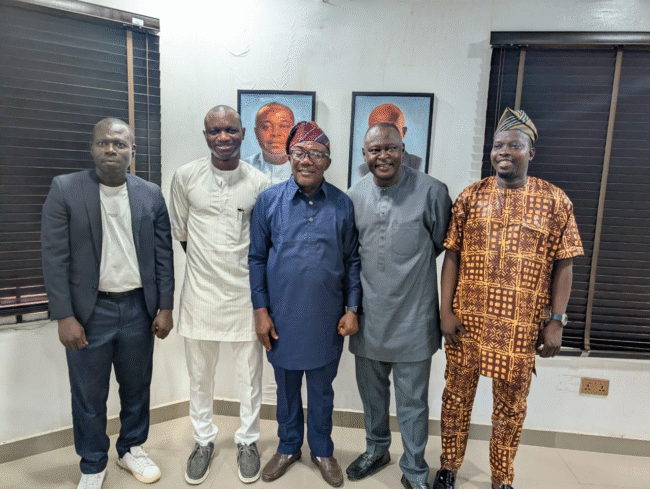
Speaking at the Brand Journalists Association of Nigeria (BJAN) monthly breakfast roundtable in Lagos, SWAN Director-General, Tony Okwoju, emphasized the critical role of responsible journalism in curbing the spread of counterfeit alcoholic beverages and protecting both consumers and the economy.
The session, held on March 27, served as a platform for dialogue between industry stakeholders and the media, focusing on how accurate and investigative reporting can help dismantle illegal trade networks while raising public awareness about the dangers of fake alcohol.
Okwoju revealed that Nigeria loses an estimated ₦472 billion annually to illicit alcohol trade; representing about 40% of the market share, according to a Deloitte report. Beyond the economic losses, he stressed the severe health risks posed by counterfeit products.
He warned that many illegal producers now use methanol; a highly toxic industrial alcohol; in place of ethanol. Odourless and colourless, methanol is difficult to detect and can cause blindness, organ failure, or even death.
“These counterfeiters are not just faking brands; they are killing people,” Okwoju stated.
To address the growing threat, SWAN is set to host a one-day stakeholders workshop on April 22, 2026, bringing together enforcement agencies, regulators, and industry players to develop practical solutions to the crisis.
Highlighting proactive measures already being implemented, Okwoju disclosed that major manufacturers have intensified efforts to curb the reuse of branded bottles—a key tool for counterfeiters. This includes deploying teams to bars and nightclubs to retrieve and destroy empty bottles, preventing their circulation in illegal production chains.
While acknowledging the increased cost to businesses, he noted that the initiative is necessary to safeguard brand integrity and public health.
SWAN also identified weak enforcement and low consumer awareness as major factors enabling the illicit trade to thrive, particularly in key commercial centres across the country.
In his remarks, BJAN Chairman, Daniel Obi, underscored the importance of collaboration between the media and industry stakeholders. He described the engagement as a step toward strengthening partnerships that promote responsible consumption, improve industry standards, and drive sustainable growth.
According to him, the media remains a powerful tool in shaping public perception and amplifying positive narratives that contribute to national development.
With growing concerns over public health and economic losses, stakeholders agree that a united front; driven by media advocacy, stronger enforcement, and industry action; is essential to winning the fight against illicit alcohol in Nigeria.


