The soft drink giant has its hands full rebuilding its agency partnerships
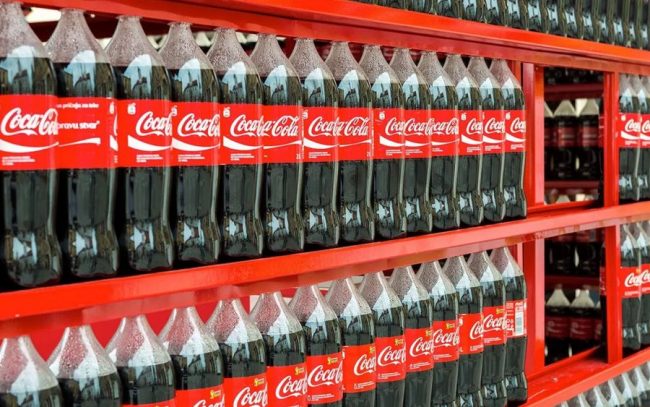
For the second consecutive year, Coca-Cola has decided not to play in this year’s Super Bowl, as the beverage brand focuses on existing sports marketing plans.
The move leaves rival Pepsi’s Super Bowl 56 presence without a major challenger during the broadcast. Pepsi previewed its “cinematic, supersized, five-headliner” Halftime Show lineup earlier this week.
The brand spent about $10 million on ads during the 2020 Super Bowl. To put that number in context, Coca-Cola spent $2.78 billion on advertising in 2020, down from $4.25 billion in 2019 and $4.11 billion in 2018, according to its annual reports.
From July 2020 to June 2021, Coke spent $2 billion on paid media, according to COMvergence. About 35% of its paid media expenditures were devoted to digital media. In the previous three years, the company spent $1.7 billion in 2020, $2.6 billion in 2019 and $2.5 billion in 2018.
The $10 million it spent two years ago on the NFL championship reflects its shift in spending on more targeted marketing versus the big splash associated with the Super Bowl.
In a statement, Coca-Cola said staying out of the Super Bowl leaves it more room to focus on the sports sponsorships it already has in place over the next several weeks. The brand has set up Coke Zero Sugar for NCAA March Madness, as well as marketing activations surrounding Nascar’s Daytona 500 auto race on Feb. 20.
Left unsaid in Coke’s decision to sit out the Super Bowl is another issue: shoring up its agency alliances.
In November, WPP was chosen as Coke’s global marketing network partner with the promise it would revamp and “modernize” the brand’s advertising and marketing strategy. WPP won the account battle against rivals IPG, Dentsu and Publicis Groupe.
Consumers’ wider adoption of health and wellness regimens have pushed soft drink brands like Coke and Pepsi to offer alternatives to sugar-heavy drinks, which have seen sales plunge the last few years. Coca-Cola has reacted by shifting its portfolio to play up brands such as Smartwater, Aha sparkling water and the aforementioned Coca-Cola Zero Sugar.
With its collective corporate mind off the Super Bowl, which will be played Feb. 13 at Inglewood, California’s SoFi Stadium, Coke can turn its attention to answering another question marketers and media buyers have been wondering about: nailing down its presence at the Beijing Olympics, which takes place Feb. 4-20.
The brand is not expected to run ads during the competition, but the company hasn’t officially ruled it out yet.

