Agencies advise against stars trying to be everything to every brand

Was that Kevin Hart in another ad? What was he hawking this time? Is that Melissa McCarthy again, and what’s she selling? How many times can I see Peyton Manning in ads before I zone out completely?
Using a celebrity in an ad can be a boon to a brand and agency, with facial and name recognition bringing in new consumers. But when is enough enough, already? Some celebrities are overused by the marketing world, and it can be more of a distraction than a bonus if that star is spread too thin. The stars risk oversaturation, which can dim their personal brand, and consumers can get confused as to what the stars stand for and which products they actually use and love.
Utilizing stars in ads is certainly nothing new. Ronald Reagan pushed Chesterfield cigarettes before he went into politics. Britney Spears, Betty White and Julia Roberts were all overused in ads for a while, and lately we see Hart, Terry Crews, Ryan Reynolds and the Manning family in so many ads it’s dizzying. So what is the right balance where a star can be effective without being omnipresent?Sorry, the video player failed to load.(Error Code: 101102)Chase
It’s all about balance
Many agencies that work with celebrities and notable influencers need to be conscious of the placements of those stars. Many start with Q Scores, an industry standard for measuring consumer appeal of performers, brand ambassadors, influencers, characters, licensed properties and brands. But those scores don’t tell the entire story.
Part of a celebrity’s appeal is their exposure, whether that’s within their own platforms or their own projects, professionally or personally. But instead of just jumping on a bandwagon of fame, agencies and brands need to put in due diligence to make sure they’re working smartly.
“What we do is we really take a close look at the landscape and we strategically have conversations,” Kasia Pandyra, vice president, culture marketing: celebrity and influencer at Omnicom-owned The Marketing Arm, told Adweek. “That’s why it is important to work with experts and procurement teams who can specialize and take a look at the overarching objectives of any one activation, and then see if we can fit it within the confines of the right celebrity.”
Pandyra said while overexposure is something the agency looks at, sometimes with that exposure comes opportunity. Her team must carefully navigate that and work with the client to ensure that they feel comfortable knowing what that celebrity has on the docket and have the chance to pivot if it’s too much.
Sometimes it’s just a matter of getting the timing right.
“We strategically look at that…and ensure that whatever we need to do with that celebrity doesn’t get lost in translation among the other things that they’re doing at the time,” said Pandyra, adding that if the timing isn’t right, the agency might wait and find another time to work with a celebrity that seems a good fit for a brand.
Make it authentic
Some celebrities promote brands they’re invested in, like Ryan Reynolds with his many ventures, including Aviation Gin and Mint Mobile, Kevin Hart, who has both production and retail ties, and Serena Williams, who has invested in over 60 companies. Others, however, either pick products they use, while still others just look for a big paycheck.
“Some people look at those celebrities doing all those ads and they say, ‘does that person really believe in this product, or is this just one more brand that they’re getting a check from?’” said Evan Horowitz, CEO and co-founder of Movers+Shakers, an agency that deals with influencers, celebrities and popular culture. That potential for inauthenticity drives the agency to use influencers who have a genuine love for the products they promote.
One recent example of that is an influencer campaign Movers+Shakers did for longtime client e.l.f. Cosmetics and its Dunkin’ collection with influencer Mikayla Nogueira. Horowitz said she genuinely loves both e.l.f. and Dunkin’, which made for an authentic and genuine experience.
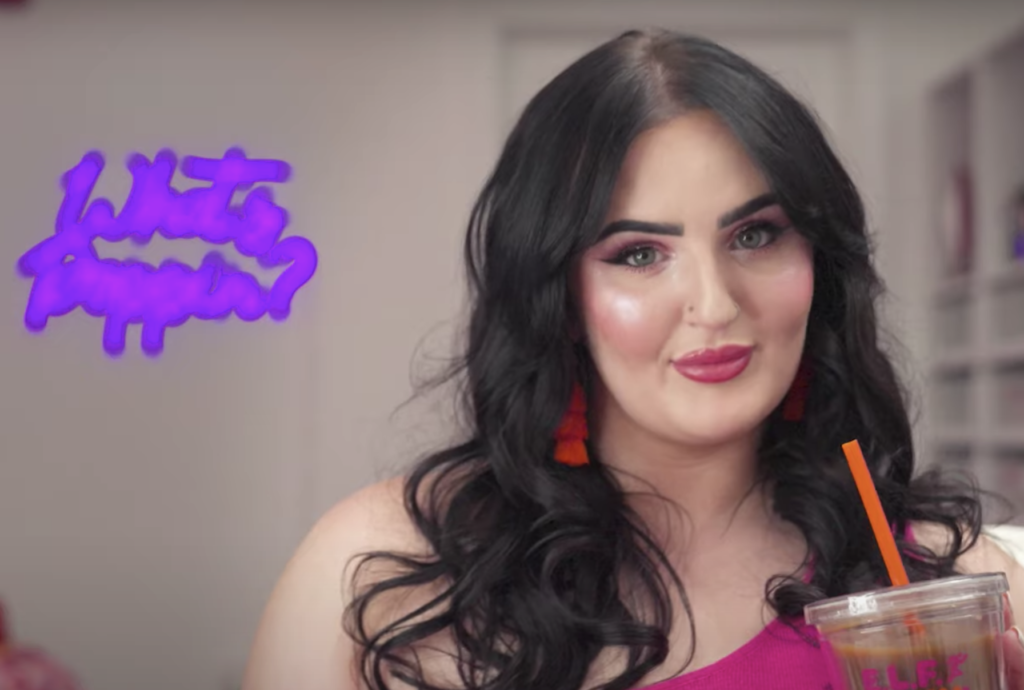
Movers+Shakers typically advises its clients away from saturated celebrities and instead pushes toward talent that is less famous, but more real, which ultimately drives more authentic endorsement of a brand. There is a generational aspect of it as well, with Gen Z more likely to be swayed by influencers while Gen X and Boomers might be more likely to trust a Hollywood or sports star.
Horowitz cited a recent survey that found younger consumers are more likely to trust an influencer who does not have a verified blue checkmark than one who does—essentially, being verified reduces your credibility with Gen Z. What happens is that influencers, as they trend up, tend to get more offers of brand deals, and when they do too many, they run into oversaturation, just like the celebrities.
Greg Hahn, chief creative officer and co-founder of Mischief @ No Fixed Address, looks for the best voice for a particular product, rather than starting with a celebrity and figuring out something to do for them.
“Clients probably feel that there’s safety in certain celebrities, they’re going to bring in an audience, guaranteed. It always comes back to getting people’s attention,” Hahn told Adweek, who said it makes sense to use a celebrity if they are tied to a specific character and nobody else could play that role. “I much prefer to use a celebrity that hasn’t overexposed themselves.”
Horowitz said that when they are advising a brand, it’s about diversifying the talent. A brand might have one or two headlining stars, like Neutrogena has with pop stars Chloe x Halle. But the brand also works with smaller talent to promote specific initiatives that make it more credible.
Pandyra advises celebrities to avoid saturation by thinking strategically about how their use is going to impact the bottom line. She recommends celebrities determine their end goal with a brand and how to get there. “The more successful you can be for a brand, the better served you will be for other opportunities in the brand space,” she said.